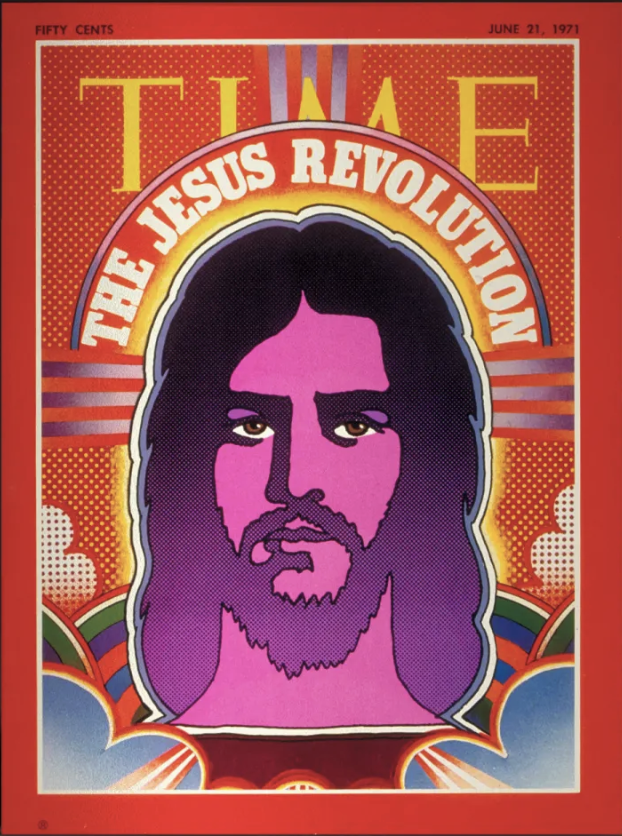
This course approaches the person of Jesus in its historical context, not as God or Son of God, but as he would have been known, perceived and understood by his contemporaries. It then proposes to unpack how he became understood, in successive iterations, as a charismatic teacher and healer, the Jewish Messiah, the son of God, and eventually, a part of God. And it examines both the four canonical and the literally hundred extracanonical Gospels not as authoritative holy scriptures, or even as a collection of historical documents, but as a group of literary documents that became holy scripture. Students are accordingly urged to leave behind their pre-conceived notions of the person of Jesus and the scriptural authority of the Gospels and view them as if they had never heard of them before. This involves understanding the Jewish environment of Jesus and the things written about him in Roman-occupied Judea/Palestine of the first century and how this intrinsically Jewish story was transformed into a Graeco-Roman and a “universal” one.